Why Every Travel Agency Needs a Wireless Tour Guide System For Travel
Release time: 2026-05-08
Traveling is about immersing oneself in the history, culture, and beauty of a new destination. For centuries, tour guides have been the bridge between a location’s rich history and the eager tourist. However, as global tourism grows and iconic destinations become more crowded, delivering a flawless guided experience has become increasingly difficult. Whether navigating the bustling streets of Rome or walking through the quiet, echo-filled halls of the Louvre, ensuring that every member of a tour group hears the guide’s narrative is a massive challenge.
This is where investing in a wireless tour guide system for travel becomes a game-changer. By transitioning from traditional vocal projection to modern, portable audio technology, travel agencies and independent tour operators can drastically improve customer satisfaction, boost online reviews, and protect the vocal health of their staff.
In this comprehensive guide, we will explore the challenges of traditional group travel, how wireless audio systems solve these problems, and the key features to look for when upgrading your tour equipment.

The Challenges of Traditional Group Travel
Before understanding the solution, it is vital to recognize the pain points that tour operators and tourists face daily. Without the right technology, the quality of a tour is at the mercy of the environment.
Background Noise and Distractions
Popular tourist destinations are inherently noisy. Between heavy city traffic, street performers, construction, and the chatter of competing tour groups, a guide’s voice can easily get drowned out. When tourists have to strain to hear, they quickly lose interest, disengage from the group, and feel as though they are not getting their money’s worth.
Vocal Strain for Tour Guides
A tour guide’s voice is their most valuable asset. Having to shout over ambient noise for several hours a day, multiple days a week, inevitably leads to vocal fatigue, hoarseness, and even long-term vocal cord damage. This not only causes physical discomfort for the guide but can also lead to canceled tours and lost revenue for the agency.
The “Huddle” Problem
Without a wireless communication system, tourists are forced to huddle tightly around the guide to hear the commentary. This prevents them from freely observing the architecture, taking photographs, or walking at a comfortable pace. It can also create a bottleneck on crowded sidewalks, frustrating locals and other visitors.
How a Wireless Tour Guide System For Travel Elevates the Experience
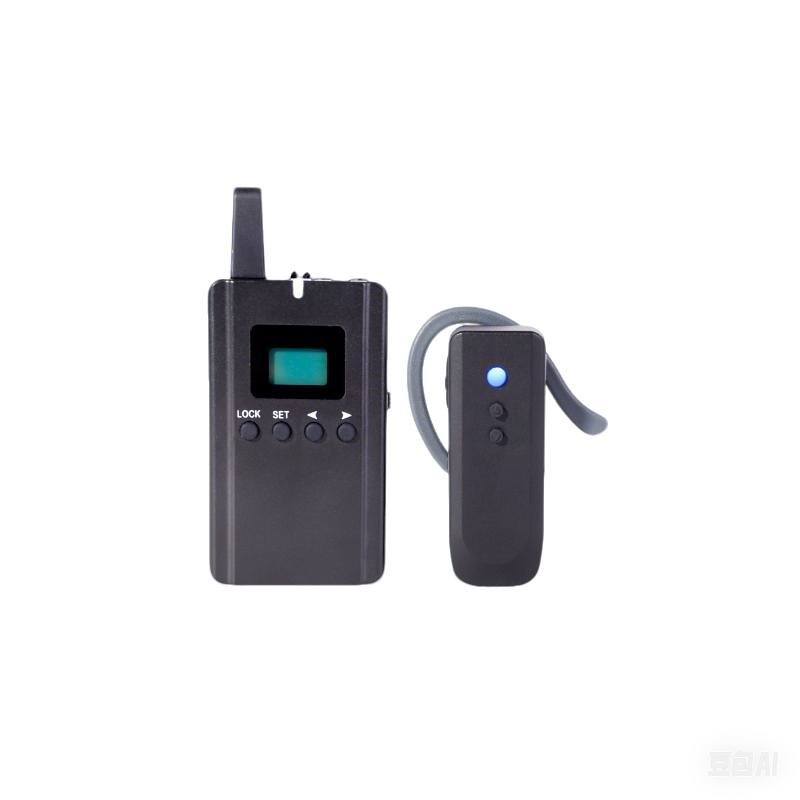
A wireless tour guide system typically consists of a compact transmitter with a microphone for the guide and lightweight receivers with earpieces for the tourists. This simple but powerful setup revolutionizes the group tour dynamic in several ways.
Uninterrupted, Crystal-Clear Audio
By transmitting the guide’s voice directly into the earpieces of the tourists via UHF or digital frequencies, background noise is practically eliminated. Every anecdote, historical fact, and set of instructions is delivered with crystal-clear clarity. Tourists feel as though the guide is speaking directly to them in a one-on-one conversation, creating a much more intimate and premium experience.
Freedom to Roam and Photograph
When tourists are not forced to stand within a three-foot radius of the guide to hear the commentary, the entire dynamic of the tour changes. A high-quality wireless tour guide system for travel allows guests to spread out, take stunning photographs, sit on a nearby bench to rest their legs, or browse a nearby vendor’s stall—all without missing a single word of the presentation.
Multilingual Support for International Tourists
For travel agencies catering to a diverse, global clientele, multi-channel tour guide systems are invaluable. A primary guide can speak in one language, while a translator operates on a separate channel, providing real-time interpretation for international guests. This allows agencies to combine language groups into a single tour, maximizing operational efficiency without sacrificing the customer experience.
Key Features to Look for in Travel Audio Guides
Not all audio systems are created equal. When sourcing a wireless tour guide system for travel, tour operators must look for specific technical features that cater to the rigorous demands of the tourism industry.
Ultra-Lightweight and Portable Design
Tourists already carry backpacks, cameras, and water bottles; they do not want to be weighed down by bulky audio equipment. Look for receivers that are ultra-lightweight and compact—ideally the size of a small pager. The earpieces should be comfortable for extended wear and easy to sanitize between uses.
All-Day Battery Endurance
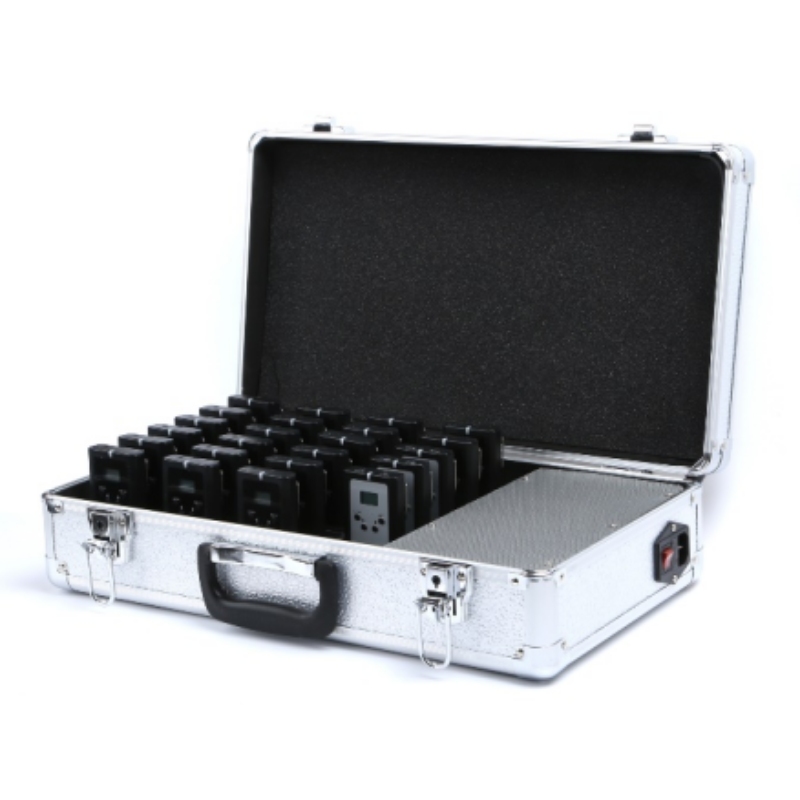
A dead battery in the middle of a full-day excursion is a logistical nightmare. It is essential to select a system featuring high-capacity lithium rechargeable batteries. The best systems offer 15 to 20 hours of continuous operation on a single charge. Additionally, consider investing in bulk drop-in charging cases, which allow agencies to charge, store, and transport 30 to 60 units simultaneously.
Impressive Transmission Range
While a museum tour might only require a 50-meter range, outdoor walking tours require much more flexibility. Opt for a system with an operating range of 100 to 150 meters. This ensures that even if a tourist gets temporarily held up at a crosswalk or lingers behind to take a photo of a monument, they remain connected to the guide’s audio feed.
Best Use Cases in the Tourism Industry
The versatility of these systems makes them perfect for a wide variety of travel itineraries:
- Walking Tours in Bustling Cities: Cut through the noise of traffic and crowds in busy metropolises like New York, London, or Tokyo.
- Historical Sites and Museums: Many religious sites and art galleries enforce strict noise ordinances. A wireless system allows guides to whisper into their microphone while tourists hear the commentary perfectly, respecting the venue’s rules.
- Cruise Ship Shore Excursions: Easily manage large groups of passengers disembarking at busy ports, ensuring no one gets lost and everyone hears the meeting times and locations clearly.
- Nature and Safari Tours: Allow tourists to enjoy the peaceful sounds of nature while the guide provides commentary on the local flora and fauna without disturbing the wildlife.
Conclusion
In today’s competitive travel market, providing an exceptional customer experience is the key to securing positive reviews, repeat business, and word-of-mouth referrals. A wireless tour guide system is no longer a luxury—it is an industry standard. By eliminating background noise, protecting your guides’ voices, and giving tourists the freedom to explore at their own pace, these systems provide an immediate and undeniable return on investment. Upgrade your tour equipment today and transform the way your guests experience the world.